Selecting the right approach for part production demands close attention to detail. Equipment quality and process control determine the final accuracy of each piece. Many firms evaluate a cnc machine shop Dallas setup to meet tight tolerance needs. Proper review of tooling and material handling prevents costly errors later. Clear steps from design to finished item support reliable output every time.
Precision Cutting Techniques
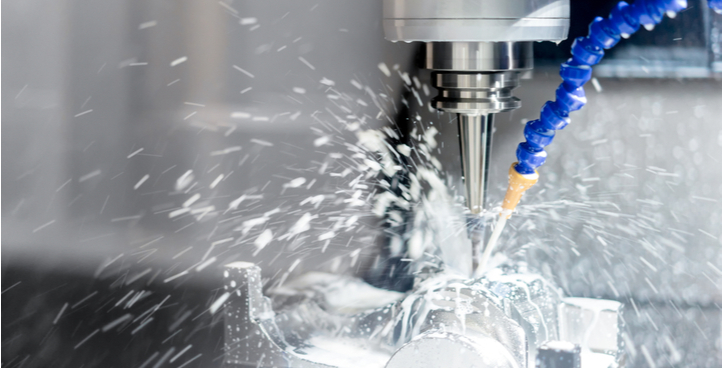
Sharp tools remove excess material with high accuracy on every pass. Speed settings match the hardness of the chosen stock for clean edges. Coolant flow keeps temperatures steady during long runs. Consistent tool paths produce repeatable shapes across multiple pieces.
- Select sharp cutters that match the material hardness for clean removal.
- Adjust rotation speeds to suit the stock type without excess heat.
- Maintain steady coolant flow to protect both tool and workpiece surface.
- Program tool paths that repeat the same shape on every cycle.
- Inspect edge quality after each pass to catch early deviations fast.
Material Selection Methods
The base stock must suit the final use of the component. Strength levels and weight targets guide the choice of metal or plastic. Surface readiness affects how well coatings or finishes adhere later. Testing small samples confirms the stock behaves as expected under load.
Accurate Dimension Control
Measuring devices verify every length and diameter against the original plan. Regular calibration of gauges keeps readings true over full shifts. Fixtures hold the piece firmly so no shift occurs mid process. Records of each check create a clear trail for later review. Results from a cnc machine shop Houston often highlight how steady measurement holds tolerances tight across batches.
Surface Finish Standards
Final texture meets the required smoothness without extra polishing steps. Tool marks stay minimal when feeds and speeds stay balanced. Inspection under magnification confirms the surface meets the stated grade. Proper finish improves both appearance and long term function of the part.
- Balance feed rates with spindle speeds for minimal tool marks.
- Check surface grade under magnification after the last machining pass.
- Match finish level to the stated requirement in the design file.
- Remove any remaining burrs with light secondary operations only.
- Record the achieved texture value for each completed batch group.
Production Timeline Planning
Order size and complexity set the expected run length. Buffer time covers tool changes and quality holds without delay. Clear communication of due dates keeps all stages aligned. Steady progress tracking allows early adjustment if any step slows.
Careful focus on cutting methods material choice dimension checks surface grades and timeline control produces consistent custom parts. Matching these elements to project needs reduces waste and supports on time delivery. Verified processes and patient attention to each stage form the strongest base for accurate lasting components.
What tools help maintain tight part tolerances?
Calibrated gauges and firm fixtures keep dimensions true throughout.
How does material choice affect the final component?
Stock strength and weight must match the intended use fully.
Why track production timelines from the first stage?
Early monitoring allows quick fixes and protects final due dates.